There’s no shortage of beautiful water in the Bahamas, but what really makes a yacht charter stand out is what you do with it. These are the 5 activities we always recommend clients think about first. They’re not just extras—they shape where you go, when you go, and what kind of yacht you need.

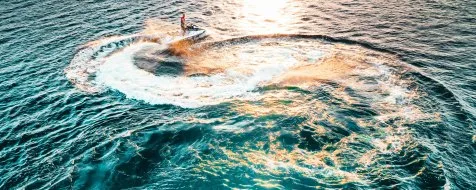
1. Jet Skiing: Why the Bahamas Is Built for It
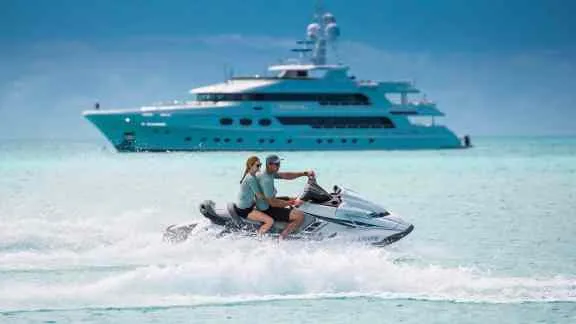
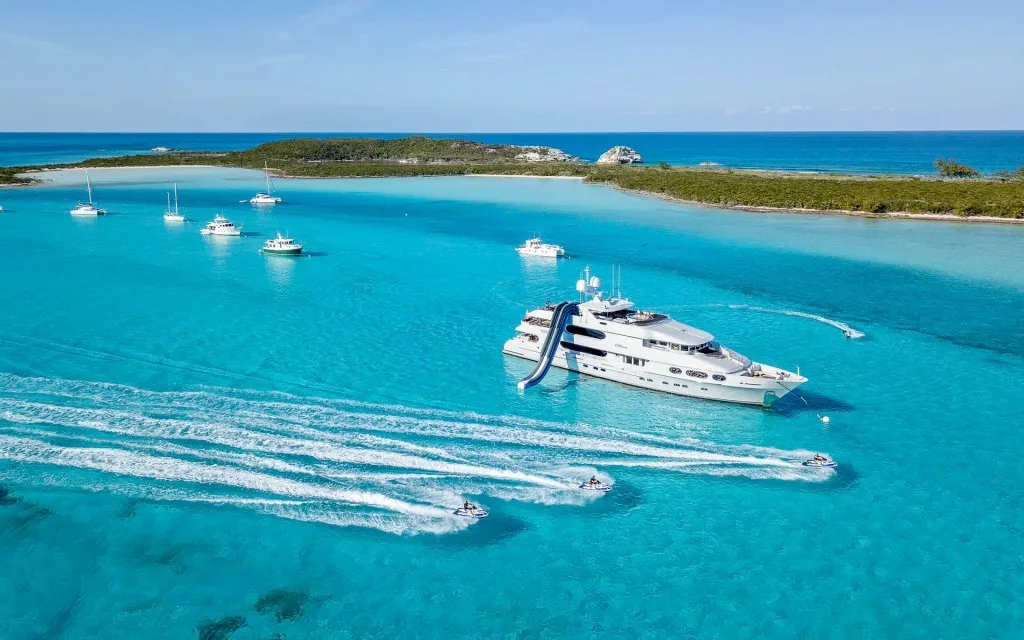
The Bahamas is one of the best places in the world to jet ski—hands down. You’ve got calm, shallow water protected by cays and sandbanks, huge open spaces to rip across, and loads of small coves and tidal creeks to explore. It’s not just about speed—it’s about freedom.
You can cruise through the back channels of Pipe Creek in the Exumas, carve around the flats off Staniel Cay, or head into quieter spots near Shroud Cay where you won’t see another soul.
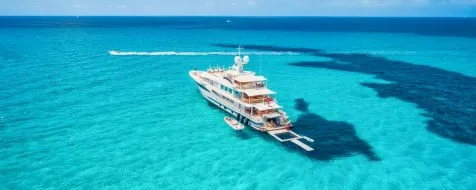
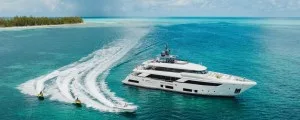
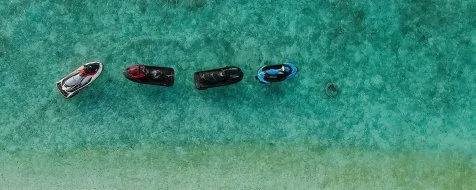
Most motor yachts carry at least one jet ski onboard, often with a floating dock that ties off the swim platform. Launching takes minutes—just clip in, drop in, and go.
No special license is required to operate a jet ski in the Bahamas, but you’ll need to be 16 or older and follow a few basic rules: stay well clear of swimmers and beaches (100 meters minimum), and avoid protected zones like the Exuma Cays Land and Sea Park. Your crew will brief you if there are any local restrictions around your anchorage.
As our broker Chris de Kock puts it: “The Bahamas is probably the most flexible destination we work in when it comes to jet skis, no license required.” The one rule every yacht follows regardless of insurer is a 12-guest cap per jet ski outing, for insurance and vessel-classification reasons.

2. Scuba Diving: Blue Holes, Reef Walls, and Wrecks
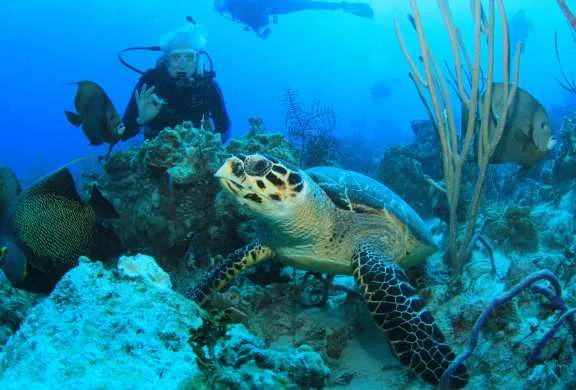
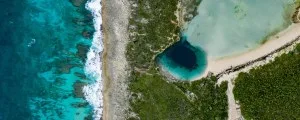
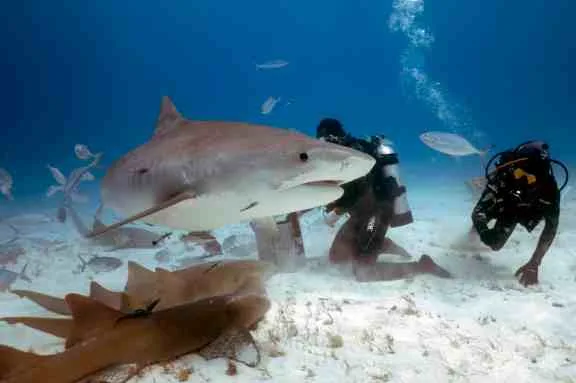
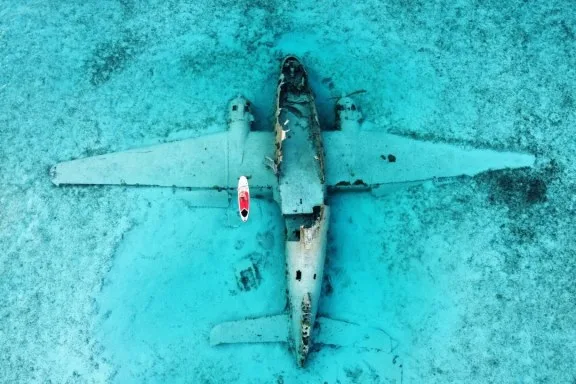
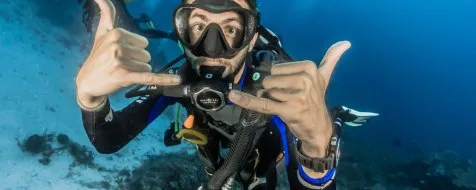
The diving here is world-class, but only if you plan for it. Sites like the blue holes off Andros, the reef walls of the Exumas, and the wrecks around New Providence can be spectacular—but you need the right setup. Not every yacht is dive-ready.
Some yachts come fully equipped with dive gear, compressors, tanks, and even onboard dive instructors. Others can arrange rendezvous diving with local operators. Either way, tell your broker in advance. If diving is a priority, we’ll match you with a yacht that’s actually geared for it.
Also, conditions are best with visibility during the drier months (November–May), but diving is possible year-round.
If you would rather stay on the surface, our guide to the best snorkeling spots in the Bahamas covers the same waters with a mask and fins, anchorage by anchorage.
Some yachts go further than tanks and a compressor. HANNAH, based out of Nassau, carries a Snuba kit, a hybrid system that lets non-certified guests dive without a full PADI course, according to broker Chris de Kock. For serious divers, our onboard diving specialist Dave Oakes, who has chartered these waters since 1997, rates the wall diving at Andros among the best in the world, and considers Hogsty Reef, one of only a handful of true atolls in the Atlantic, unmissable if your route reaches the outer islands.
3. Kite Surfing: Trade Winds, Flat Water, Zero Crowds
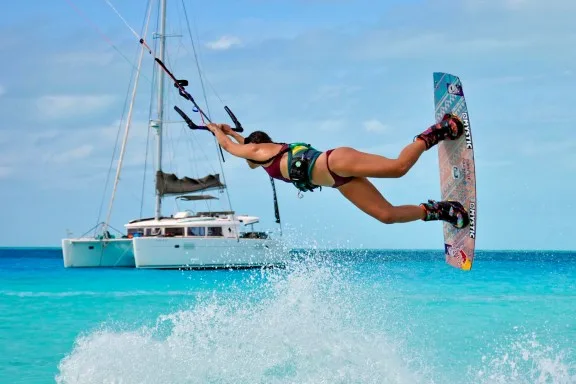
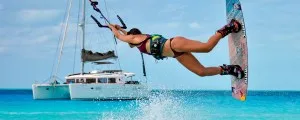
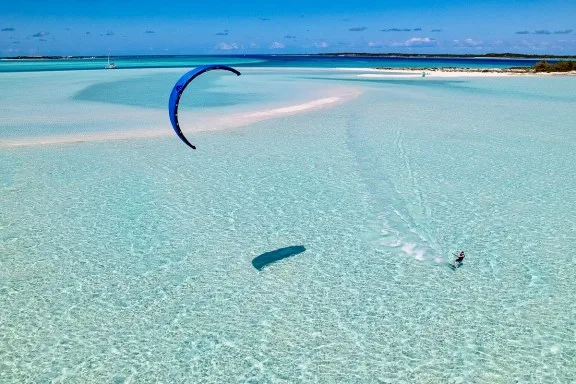
If you’ve ever wanted to kite in warm, clear water with no one around, this is the place. The Exumas, especially around Little Farmer’s Cay and Moriah Harbour, offer steady trade winds and protected flatwater bays that are ideal for launching. For more off-grid sessions, Cat Island and Long Island are great picks.
Although most yachts don’t carry kitesurfing gear, some do—and a few even have crew who are passionate about kiting themselves. Occasionally, you’ll find yachts with instructors onboard. If this is something you’re serious about, let us know early.
We can match you with a yacht that either has the gear or a crew who knows the conditions and where to take you. Timing and anchorage choice matter, and November to May generally gives the best wind.
Worth knowing upfront: kite surfing works best when the crew is genuinely into it, since the kites and boards take up real onboard storage. It’s not a casual water toy in the way a paddleboard is, so tell your broker early if it matters to your trip.
4. Fishing: From Bonefish Flats to Deep-Sea Marlin
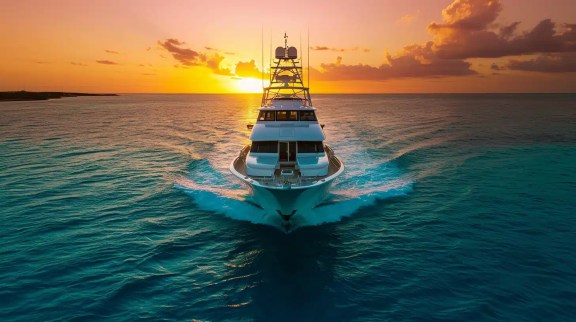
Whether you’re into deep-sea or flats fishing, the Bahamas delivers. The waters off Bimini and Chub Cay are loaded with mahi, tuna, and marlin in season. The flats around Andros and the Berry Islands are world-famous for bonefish. And near Eleuthera, you’ll find wahoo and snapper off the reefs.
Most motor yachts will have trolling gear and a few rods onboard, while larger luxury yachts often carry a chase boat rigged for casting, perfect for getting to hotspots quickly and entering shallower water.
If fishing is a priority, tell your broker early and we’ll match you with a properly equipped yacht, from trolling gear to a dedicated chase boat.
Best times? Sailfish and marlin run from April to August. Bonefish are around all year, but conditions are better with cooler temps and clear tides.
Our own team fishes these waters personally. As DMA’s Daniel puts it: “Andros is the bonefishing capital, and around Eleuthera we’ve personally caught plenty of tuna chasing marlin.” One thing to flag before you book: the Bahamas doesn’t currently issue fishing licenses to US-flagged sport-fishing boats entering local waters, so serious anglers should book a Bahamas-based yacht and crew rather than bringing one in.
5. Paddleboards and Kayaks: The Slow, Quiet Option
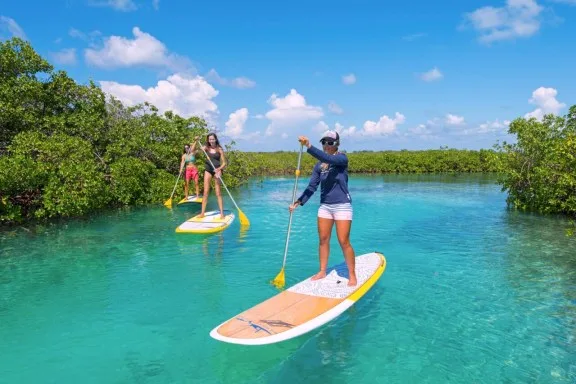
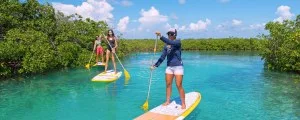
If jet skis are about adrenaline, paddleboards and kayaks are the opposite—quiet, slow, and perfect for getting close to wildlife without disturbing it. Because you’re moving silently, you’ve got a much better chance of spotting turtles, rays, and baby sharks gliding under the surface, especially in the early morning.
These are ideal for exploring narrow creeks and shallow channels where tenders can’t go. Great spots include the mangroves around Shroud Cay, the tidal creeks near Hawksbill Cay, and the calm waters off Waderick Wells.
Most motor yachts and catamarans carry paddleboards and kayaks as standard. It’s something you can do solo for a sunrise paddle, or bring the kids along for a mellow afternoon float. No noise, no fuel, just you and the water.
As one of our onboard crews put it, guests tend to grab a paddleboard or kayak straight off the back of the boat whenever they feel like it, no engine, no planning, just a quick drop into the water.





 iMessage
 WhatsApp